




On March 11th, Principal Cohen announced to parents during a PTA meeting that James Madison High School will be adding an 11th period starting in September of 2026. This follows the implementation of a 10th period, which was brought back during the 2024-25 school year.
The additional period’s incorporation is being used to combat the overwhelming amount of enrollment Madison has been experiencing for the past few years, with class sizes increasing and a large incoming freshman class of 2030.
As per the Madison Bell Schedule, 10th period ends at 3:40 PM. Factoring in the 4 minute passing period along with the fact that most periods are 46 minutes long, the 11th period would be likely to end at around 4:30 PM, although the official specifics have not been confirmed.
Madison, as well as many other large high schools in New York City, operate on a multisession bell schedule. This entails students starting and ending their day at different times throughout the bell schedule, with some students starting and ending their day earlier and later than others.
Upperclassmen in Madison typically get “better schedules” along with shorter days as their high school years move forward, leading to the expectation that the majority of students with an 11th period will be freshmen.
When current freshmen were told about the situation, they shared their grievances.
“As a student with a 1 to 10, this is horrifying because this means that students could have a 1 to 11,” says Devin Castillo-Mendez (‘29). “It’s like you’d be living in school.”
This ending time for students also raises concern about student participation in after school extracurricular activities like clubs and teams, especially considering the fact that currently the majority of clubs along with sports practices and games begin after 9th and 10th period.
Mr. Kontorovich, the coordinator of student activities (COSA) at Madison, oversees and approves all clubs that are formed in the school.
“We’re a multisession school, which means that we have teachers who are on a 1 to 8 schedule, 2 to 9… eventually it looks like 4 to 11 as well,” said Kontorovich. “What that will mean is that we’ll have teachers already here at the end of the day, so if the teacher wants to have a club after the 11 period class, that would be an option, [though] of course it’s inconvenient for some students.”
However, Kontorovich added possible solutions for the extracurricular dilemma that are waiting to be brought up to Cohen.
“I’m thinking about potentially asking for clubs to be able to start in the morning before the day begins,” he said, “We would end up with a lot of underclassmen focused and underclassmen heavy clubs happening in the morning, because students, especially freshmen, will come in early to do their club in the morning.”
Madison heavily promotes joining extracurriculars. The school’s website even goes to explain the benefits of joining PSAL teams beyond the simple athletic gain. However, this new policy will stand as a barrier to participation in afterschool activities.
“I think that [it’s] stupid.” said Aidan Scotti (‘28), a member of the James Madison Marching Band. “It’s an inconvenience already to get to practice after school when I end 10th. What happens to the kids who end even later?”
“[Having a late school day] reduces practice time extensively. Those focused on going somewhere in sports literally cannot maintain that schedule.” said Lyla Winn (‘27), a player on the girls Varsity soccer team. “They’d miss games if they are going to class and if they cannot go to class and have to participate in the games they’d be missing out on learning. [It’s a] lose lose.”
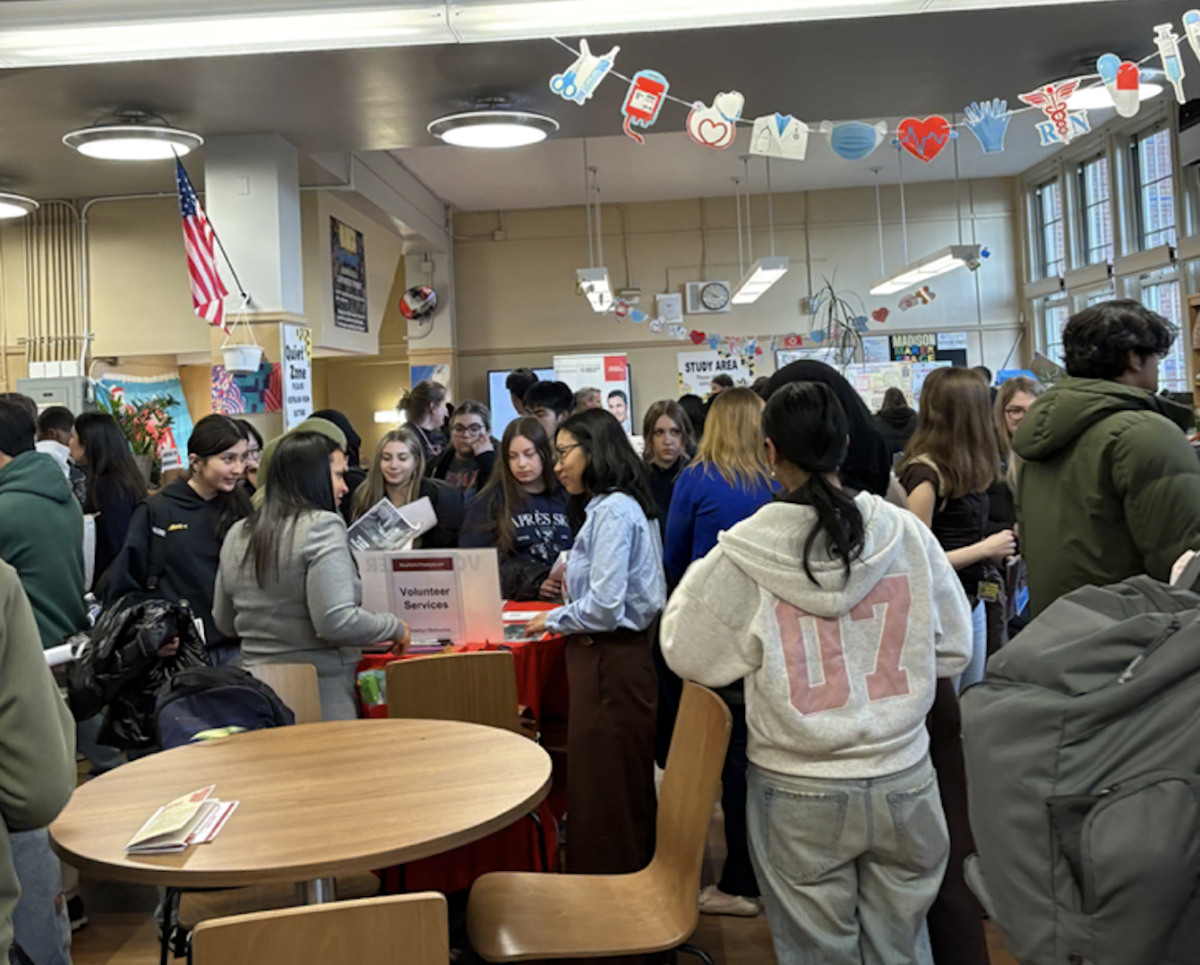
Madison prioritizes community, frequently hosting large community and student oriented events later in the day such as a pep rally around homecoming, holiday celebrations, and events organized by clubs and councils to bring students in such a large school together. With an 11th period, these experiences may be lost for some.
“How is one supposed to be actively participating in after school activities if they’ve been learning until 4 in the afternoon? It’s physically exhausting,” said Winn.
Paired with the worries of students with extracurricular commitments, concerns for students with jobs, external responsibilities from school, or long commutes under this policy have been raised.
“I would hate having an 11th period,” said Jake Kravets-Wehby (‘27), a Madison student and Park Slope resident with a 40-60 minute commute. “If I were in classes until around 4 PM, I wouldn’t be able to make it to swim practice or various other internships that all require me to be finished before 10th period.”
Besides the issues with extracurriculars, Kravets-Wehby added, “On free days where I have nothing to do, I still wouldn’t get home until around roughly 5 PM or later.”
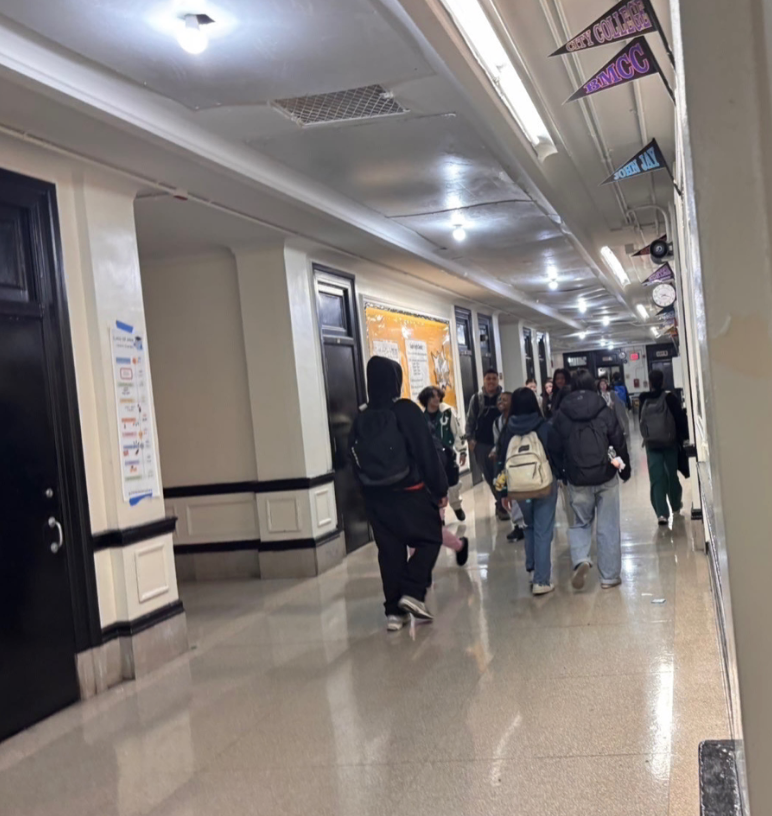
Nevertheless, the change is unavoidable as the additional period will address the overcrowding of the school. Scotti remarked, “I can’t go [through passing] without being touched by someone.” A parallel goal with the new schedule is to stagger the time of entrances and exits of students in the building. Under the new arrangement, there would only be around 3 periods of the day where the entire student population of the school would be inside the building.
“I don’t think that anybody is saying, ‘hey, this is gonna be great,’” said Kontorovich when asked how students would benefit from adding an 11th period. “That’s not really the energy that anybody’s coming with. Ms. Cohen has not taken that position of excitement for it, it’s just like this inevitable thing that we’re gonna need.”

Abby • Apr 20, 2026 at 12:33 pm
This is very informative!!!!!!!!!!!!!!